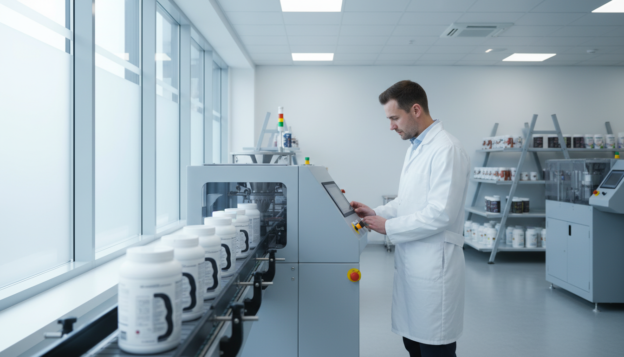
In the fast-evolving world of protein supplement manufacturing, your protein powder packing facility represents more than just a production space—it’s a critical intersection of worker safety, operational efficiency, and product quality. Wintech Package Protein powder packing demands specialized attention to ergonomics and safety protocols that go beyond traditional manufacturing approaches.
Wintech Package recognizes that protein powder packing environments present unique challenges. The fine particulate nature of protein supplements, combined with repetitive packaging tasks, creates potential risks for worker health and operational performance. Your protein powder packing strategy must integrate comprehensive safety measures that protect employees while maintaining productivity.
Understanding the intricate dynamics of protein powder packing means recognizing that workplace safety isn’t just about compliance—it’s about creating an environment where workers can perform at their best. From dust control to ergonomic workstation design, every aspect of protein supplement manufacturing requires strategic planning and proactive management.
Key Takeaways
- Protein powder packing demands specialized safety approaches
- Ergonomics directly impact worker health and operational efficiency
- Comprehensive safety strategies reduce workplace injuries
- Proactive management prevents potential manufacturing risks
- Worker protection is a critical investment in your facility’s success
Understanding the Importance of Ergonomics in Protein Powder Packing
Ergonomics plays a critical role in protein powder packing facilities, transforming workplace efficiency and employee safety. When you design your sports nutrition packaging environment with ergonomic principles, you create a workspace that maximizes productivity while protecting your most valuable asset: your workforce.
How Ergonomics Enhances Efficiency in Protein Powder Packing
Efficient protein powder packing goes beyond simply moving packages quickly. Ergonomic design directly impacts your operational performance by reducing fatigue and minimizing unnecessary movements. Consider these key improvements:
- Adjustable-height packing stations that accommodate different worker heights
- Strategically positioned fitness supplement packaging equipment
- Optimized material flow to reduce lifting and carrying
By implementing ergonomic solutions, your protein supplement packaging operations can experience significant benefits:
| Ergonomic Intervention | Potential Performance Improvement |
|---|---|
| Adjustable Workstations | 15-20% increased productivity |
| Mechanical Assists | 25% reduction in physical strain |
| Optimized Workflow | 10-15% faster packing times |
The Role of Ergonomics in Employee Safety during Protein Powder Packing
Safety in protein powder packing is not just about preventing accidents—it’s about creating a comprehensive protective environment. Ergonomic interventions directly address potential workplace risks by mitigating common injury sources in sports nutrition packaging facilities.
Key ergonomic risk factors in protein powder packing include:
- Repetitive scooping and container handling
- Prolonged standing
- Forceful gripping of packaging materials
- Awkward postures during packaging processes
By prioritizing ergonomics, you protect your team from musculoskeletal disorders, reduce workers’ compensation costs, and create a workplace culture that values employee well-being.
Safety Protocols for Protein Powder Packing Environments
Ensuring a safe workplace is critical when handling whey protein containers and bulk protein powder storage systems. Protecting workers from potential hazards requires a comprehensive approach to safety that combines proper equipment, training, and protocols.
Protein powder packing environments present unique challenges that demand specialized safety measures. The fine particulate nature of protein powders creates potential risks for respiratory and eye protection.
Essential Safety Equipment for Protein Powder Packing
Selecting the right safety equipment is crucial for protecting workers in protein powder containers handling environments:
- Respiratory Protection:
- Disposable N95 respirators for routine operations
- Half-face respirators with P100 filters for bulk powder transfers
- Supplied-air systems for high-exposure maintenance tasks
- Eye Protection:
- Safety glasses with side shields
- Sealed goggles for dust-generating activities
Proper Training in Protein Powder Packing Safety Procedures
Comprehensive training goes beyond simply providing safety equipment. Your team needs in-depth knowledge of potential risks and proper handling techniques.
| Training Component | Key Focus Areas |
|---|---|
| Hazard Recognition | Inhalation risks, dust exposure, slip prevention |
| PPE Usage | Respirator fitting, correct donning/doffing procedures |
| Safe Handling | Techniques for bulk protein powder storage and container management |
| Emergency Protocols | Spill response, equipment malfunction handling |
“Safety is not an accident. It’s a commitment to protecting our most valuable resource—our workers.” – Workplace Safety Expert
Remember that ongoing training and regular safety assessments are key to maintaining a secure protein powder packing environment. Your commitment to safety protects both your employees and your production processes.
Reducing Workplace Injuries in Protein Powder Packing Facilities
Protecting your workforce is crucial in protein powder packing environments. Workplace injuries can significantly impact productivity, employee health, and overall operational efficiency. Understanding common risks and implementing strategic protein supplement packaging solutions is key to maintaining a safe workplace.
Common Injuries in Protein Powder Packing and Prevention Strategies
Protein powder packing facilities face several critical injury risks that require proactive management. The most prevalent workplace injuries include:
- Musculoskeletal disorders from repetitive lifting
- Respiratory issues due to powder dust exposure
- Slip and fall hazards from powder spills
- Hand and wrist strain from packaging movements
Effective prevention requires comprehensive protein powder filling equipment design and strategic workplace protocols. Implementing two-person lift policies, ergonomic workstation redesigns, and regular safety training can significantly reduce injury potential.
Ergonomic Tools to Minimize Strain in Protein Powder Packing
Investing in advanced ergonomic tools transforms workplace safety in protein supplement packaging solutions. Key equipment includes:
| Ergonomic Tool | Injury Prevention Benefit |
|---|---|
| Vacuum Lifting Systems | Eliminates manual container lifting |
| Adjustable-Height Packing Tables | Supports neutral body positioning |
| Anti-Fatigue Matting | Reduces lower body strain during extended standing |
By prioritizing ergonomic design in protein powder packing environments, you create safer, more efficient workspaces that protect your most valuable asset: your employees.
The Future of Protein Powder Packing: Innovations in Ergonomics and Safety
The protein supplement manufacturing landscape is rapidly evolving, with cutting-edge technologies transforming protein powder packing operations. Your facility can stay ahead by embracing innovative solutions that enhance both worker safety and operational efficiency.
Emerging Technologies Impacting Protein Powder Packing
Advanced automation is revolutionizing protein powder packing environments. Collaborative robots (cobots) now work alongside human operators, handling repetitive tasks like container placement and filling. These technologies significantly reduce ergonomic strain while maintaining workplace flexibility.
Smart equipment with integrated sensors is becoming standard in protein powder packing facilities. Intelligent filling systems optimize accuracy and minimize worker exposure to protein powder dust. Virtual reality training platforms now allow employees to practice safety procedures in immersive simulated environments before entering actual production areas.
Best Practices for Implementing New Ergonomic Solutions
Successful implementation of new protein powder packing technologies requires a strategic approach. Start by conducting a comprehensive assessment of your current operations, identifying specific ergonomic challenges. Engage your workforce in solution selection, as employees performing daily tasks often provide invaluable practical insights.
Pilot new technologies in limited areas before facility-wide deployment. Provide thorough training on innovative protein supplement manufacturing equipment, ensuring workers understand both operational techniques and underlying safety benefits. Continuous monitoring and adaptation remain key to maintaining a safe, efficient protein powder packing environment.